
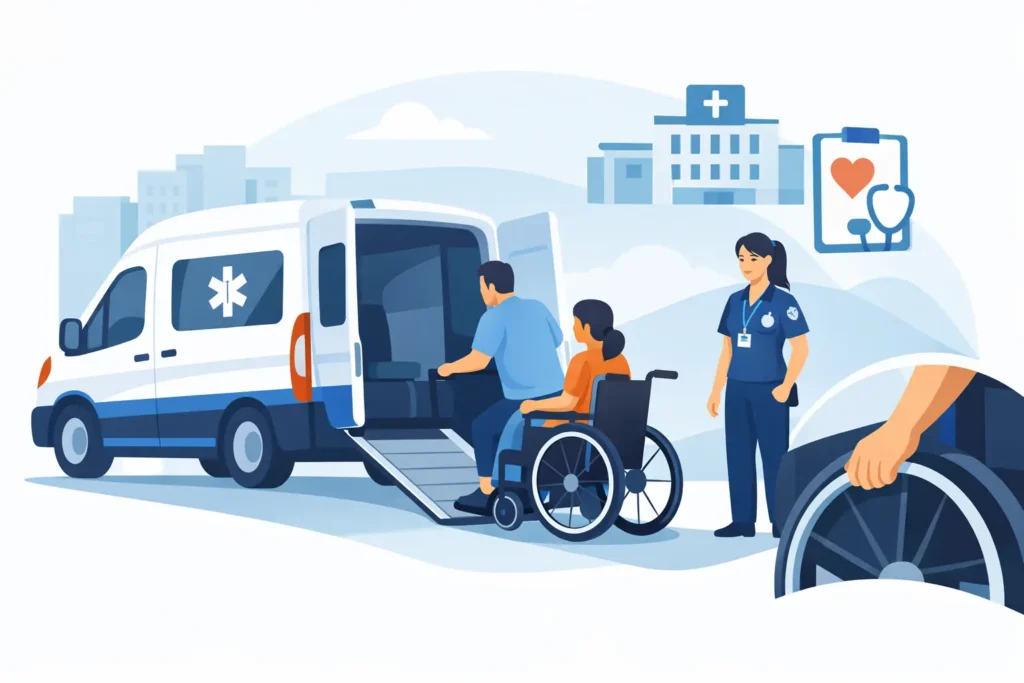
A missed medical appointment is rarely just an inconvenience. It can mean a delayed treatment, extra stress for family members, or a long day made even harder by unreliable travel. That is why wheelchair accessible medical transportation matters. For riders who use mobility devices, the trip itself needs to be safe, timely, and handled by people who understand that comfort and dignity are part of the service.
Medical transportation is not the same as a standard ride across town. The timing is tighter, the passenger’s needs may be more specific, and the margin for error is smaller. If someone is heading to dialysis, rehabilitation, a specialist consultation, or a hospital discharge pickup, the vehicle and driver both need to be prepared for more than a routine stop-and-go trip.
At a basic level, wheelchair accessible medical transportation should allow a passenger to stay secure and comfortable from pickup to drop-off. That starts with a vehicle designed for safe wheelchair entry and exit, along with proper securement systems that keep the chair stable during the ride. Just as important, the driver should know how to assist without rushing the passenger or making the process feel awkward.
Good service also means respecting how different every trip can be. One rider may need a simple transfer to a clinic and back home. Another may need extra time getting in and out, help coordinating pickup after an appointment, or a carefully timed arrival for recurring treatment. Transportation that works well for one person may not be enough for another.
That is where experience matters. A professionally trained driver understands how to manage ramps, secure mobility devices correctly, and communicate clearly with passengers and caregivers. The right service feels calm and organized even when the day around it is not.
When people book transportation for shopping, dinner, or a social visit, a delay is frustrating. For a medical trip, it can create much bigger problems. Clinics and hospitals often run on fixed schedules. Some treatments cannot be easily moved, and some patients are already managing fatigue, pain, or anxiety before they even leave home.
Reliable wheelchair accessible medical transportation helps reduce that strain. A dependable service shows up when expected, allows enough time for safe boarding, and plans around real road conditions instead of hoping everything goes perfectly. That kind of consistency matters to riders, but it matters just as much to spouses, adult children, and caregivers who are trying to coordinate a full day around one appointment.
In a region where travel may involve longer distances between home, clinic, and hospital, dependability becomes even more important. People are not just booking a car. They are booking peace of mind that the trip will happen the way it should.
Not every accessible ride service is set up equally for medical transportation. Some may offer wheelchair access but have limited availability. Others may handle basic local trips well but struggle with scheduled return pickups, recurring appointments, or late-night and early-morning transportation.
A few details are worth checking before you book. First, confirm that the vehicle is truly wheelchair accessible and not simply spacious enough to store a folded mobility aid. Many passengers need to remain seated in their wheelchair during the ride, which requires proper equipment and securement.
Second, ask how scheduling works. Medical trips often involve exact pickup windows, advance reservations, and occasional changes depending on appointment timing. A service that can handle pre-booked rides and stay responsive if plans shift is usually a better fit than one built only for casual on-demand trips.
Third, ask about driver experience. A professional, service-minded driver can make a major difference, especially for seniors, passengers recovering from procedures, or riders who may be anxious about transportation.
Finally, think about availability. Medical needs do not always happen during regular business hours. Early specialist visits, hospital discharges, and urgent appointments can happen at inconvenient times. OPEN 24/7 service is not just a convenience in that context. It can be essential.
Many bookings are made by someone other than the passenger. A son arranging transportation for his mother, a spouse coordinating treatment visits, or a caregiver setting up a weekly routine all need a service they can trust without repeated follow-up.
That is why clear communication matters. Families want to know when the vehicle will arrive, whether the driver understands the mobility needs involved, and how return transportation will be handled. They do not want vague promises or guesswork on an already stressful day.
The best providers understand that they are supporting more than one person at a time. They are helping the rider get where they need to go, but they are also taking pressure off the people who help manage that rider’s care. Even small details, such as accurate scheduling and a calm pickup process, can make the day easier for everyone involved.
Accessibility is the starting point. Comfort is what turns a necessary ride into a manageable one.
For medical transportation, comfort can mean enough room to board safely, a driver who does not rush the process, and a ride that feels stable and well-handled on the road. It can also mean avoiding unnecessary transfers in and out of a vehicle seat when remaining in the wheelchair is the safer and less stressful option.
This is especially important for older adults, passengers recovering after treatment, and those dealing with chronic conditions. A trip that seems short on paper can still feel demanding if the vehicle setup is poor or the ride feels disorganized. That is why the quality of the vehicle and the professionalism of the driver matter just as much as getting from point A to point B.
Technology helps with booking and dispatch, but local knowledge still matters in transportation. Drivers familiar with the area can better manage route timing, traffic patterns, hospital entrances, clinic access points, and weather-related delays.
In places like Gravenhurst and the broader Muskoka region, that local experience can be the difference between a smooth trip and a stressful one. Regional travel is not always as simple as a straight urban route. Longer distances, seasonal traffic, and changing conditions all affect timing. A local transportation company that already understands those realities is better positioned to provide consistent service.
That is one reason many riders and families prefer working with an established provider rather than piecing together transportation options at the last minute. Familiarity with the region adds practical value, not just convenience.
Some medical rides can be arranged the same day, but pre-booking is often the better option. Scheduled transportation gives the provider time to assign the right vehicle, plan the route, and account for the extra time often required for safe wheelchair boarding.
Pre-booking is especially useful for recurring appointments such as dialysis, physical therapy, follow-up care, or specialist visits. It helps create a more predictable routine for the rider and reduces the risk of last-minute transportation problems.
It also gives families and caregivers one less thing to worry about. When transportation is confirmed in advance, the rest of the day becomes easier to organize.
For passengers in Gravenhurst and surrounding communities, working with a provider that handles both on-demand and pre-booked accessible service can offer the most flexibility. Some days require planning. Other days do not give much notice.
Wheelchair accessible medical transportation should never feel like an afterthought. It should be handled with the same seriousness as the appointment itself. The right provider offers more than a ride. It offers punctuality, accessibility, trained drivers, and the confidence that the trip will be managed properly from start to finish.
That is the standard people should expect whether they are booking for themselves, a parent, a patient, or a loved one. And for a local company like Muskoka Taxi, being known for dependable accessible transportation means meeting that standard every day, at every hour, without compromise.
If you are arranging transportation for an upcoming medical trip, look for a service that treats accessibility, timing, and professionalism as essentials, not extras. A good ride gets someone to an appointment. A great one helps the whole day feel more manageable.