Needing an accessible ride is stressful enough without opening an app and wondering, how do I get a wheelchair-accessible on Uber? The short answer is that it depends on where you are, what type of wheelchair you use, and whether accessible vehicles are actually available in your area at that moment. That uncertainty is the part many riders do not hear about until they are already trying to get somewhere important.
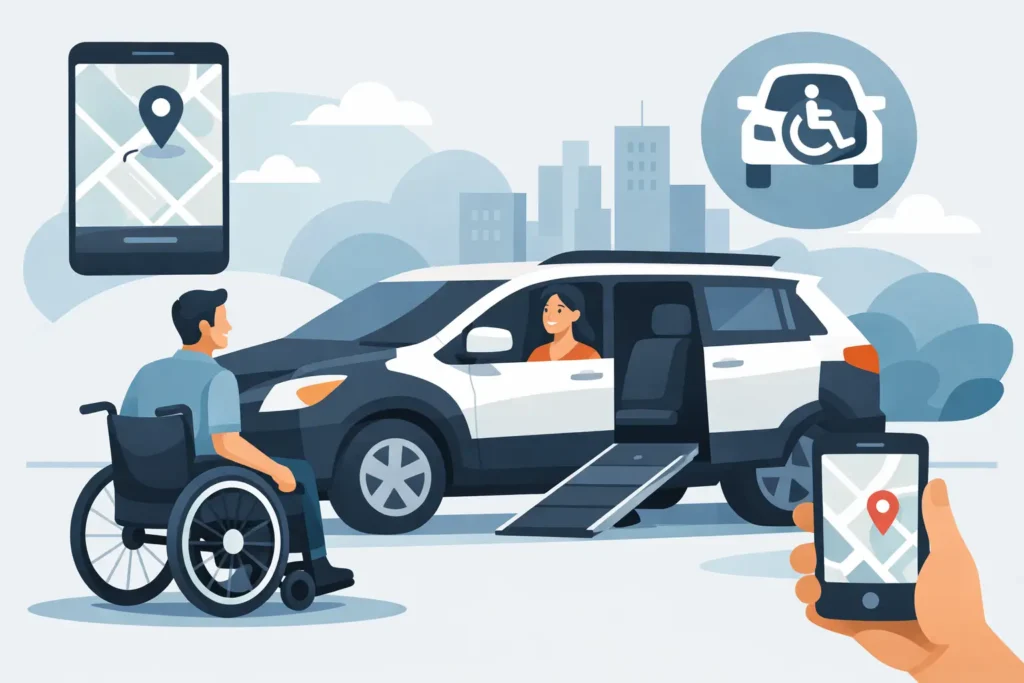
If wheelchair-accessible service is offered in your area, you usually start the same way you would for any other ride. Open the app, enter your pickup and destination, then look through the available ride options for a wheelchair-accessible choice. In some markets, that option may appear clearly. In others, it may not show up at all because there are no participating accessible vehicles nearby.
That is the first thing to understand. The app does not create accessible service where none exists. It can only show what is operating in that market and available at that time.
If you do see an accessible ride option, review the pickup details carefully before confirming. Make sure the driver can reach a practical loading area and that your pickup point is not pinned somewhere awkward, such as behind a building or at a side entrance without space for a ramp. Small errors here can turn a simple trip into a long delay.
This is where expectations matter. A wheelchair-accessible ride should mean a vehicle that can transport a passenger while they remain in their wheelchair, using the proper securement setup and entry equipment. But not every service labeled accessible works exactly the same way in practice.
Some vehicles are better suited for manual wheelchairs. Some can handle larger power chairs, but not all. Weight, chair dimensions, turning radius, and ramp or lift design all matter. If you use a power wheelchair or a larger mobility device, the safest approach is to confirm capacity before the ride becomes urgent.
Travel companions also affect the fit. An accessible vehicle may have fewer available seats once a wheelchair position is in use. If you are traveling with family, a caregiver, or extra luggage, that can change whether the vehicle is workable.
For many riders, the biggest issue is not how to tap the right button. It is availability. Accessible vehicles are typically more limited than standard rides, and that can mean longer wait times, fewer service hours, or no option at all in smaller communities.
This is especially relevant outside major urban centers. In areas where transportation networks are smaller, wheelchair-accessible service often depends on local providers with specialized vehicles rather than app-based availability. If your trip involves an airport transfer, a medical appointment, or a fixed event time, waiting to see whether an app produces the right vehicle can be a gamble.
That does not mean app-based booking is useless. It means riders should treat it realistically. If your schedule is flexible and the service is active in your area, it may work. If timing, equipment fit, and reliability matter, a dedicated accessible transportation provider is often the safer choice.
The most common problem is simple – no accessible option appears. Riders may assume they are searching incorrectly when the real issue is limited supply.
Another common problem is long wait times. Even when an accessible ride is available, there may be only a small number of vehicles serving a wide area. That can be frustrating if you are trying to make a train, flight, appointment, or family event.
There is also the issue of vehicle fit. A rider may request an accessible trip only to realize the vehicle is not ideal for their specific wheelchair or travel setup. This is one reason pre-booked accessible transportation remains important. It gives both the passenger and the transportation provider time to confirm the right vehicle in advance.
Communication can also become a problem if the pickup location is complicated. Hospital entrances, hotels, event venues, and large apartment buildings often require clear coordination. The more specific your pickup instructions, the better.
If your question is how do I get a wheelchair-accessible on Uber, the better question may be what is the most dependable way to secure an accessible ride for the trip I actually need to take.
For urgent, time-sensitive, or specialized transportation, local accessible taxi service is often the stronger option. A dedicated provider is built around the realities of mobility needs, not just general ride demand. That matters when you need trained drivers, proper equipment, predictable arrival times, and a vehicle that is meant for wheelchair transportation.
This is particularly important for medical rides, early airport trips, evening returns, and pre-scheduled events. In those situations, certainty matters more than convenience on a phone screen. A booked ride with a professional accessible transport provider can remove a lot of uncertainty before the day even starts.
In the Gravenhurst area and across parts of Muskoka, this is exactly why many riders choose a local service rather than relying on app availability alone. When accessible transportation is part of a company’s core operation, not a limited add-on, riders generally get a more practical booking experience.
If you want to try booking through an app first, there are a few ways to make the process smoother. Check for the accessible option as early as possible, especially if your trip is during peak travel hours. Enter a pickup point with enough room for ramp access and easy curbside loading. If the app allows driver messaging, explain anything that affects the pickup, such as a rear entrance, mobility equipment, or whether you are traveling with a companion.
It also helps to think through the full trip, not just the booking step. Will the destination have a safe drop-off point? Will weather affect loading? Will you need return transportation at a specific time? A ride that works one way does not always solve the whole transportation problem.
If your wheelchair is larger than average, or if you use specialized equipment, calling a professional transportation company directly is often the faster route to a clear answer. That one conversation can save a lot of trial and error.
App-based transportation is built around speed and convenience. That works well for many standard trips. Accessible transportation is different because it involves equipment, space, safety procedures, and often tighter scheduling needs.
Pre-booked service has a clear advantage when you need confidence. You know the ride is arranged. You can confirm the type of vehicle. You can explain whether you are using a manual wheelchair, power chair, walker, or additional medical equipment. You can also plan around appointments, return times, and weather.
The trade-off is that pre-booking takes a little more planning. But for many passengers, that extra planning is exactly what makes the ride dependable.
Whether you are using an app or contacting a local provider, ask the questions that affect the trip itself. Can the vehicle accommodate your wheelchair size and weight? Will you remain in your chair during transport? Is the driver trained for accessible loading and securement? Can the ride be scheduled in advance if needed?
Those are practical questions, not extra ones. They help prevent the most common problems before they happen.
If the ride is for an airport, a medical visit, or an important family event, ask about timing as well. A reliable answer matters more than a vague estimate when your day depends on it.
So, how do I get a wheelchair-accessible on Uber? In some places, you can request one directly in the app and get where you need to go without much trouble. In other places, the option may be limited, inconsistent, or unavailable when you need it most.
That is why it helps to think beyond the app. Accessible transportation is not just about booking a vehicle. It is about getting the right vehicle, with the right setup, at the right time, without unnecessary stress. If the trip matters, choose the option that gives you the most confidence before the ride even begins.