
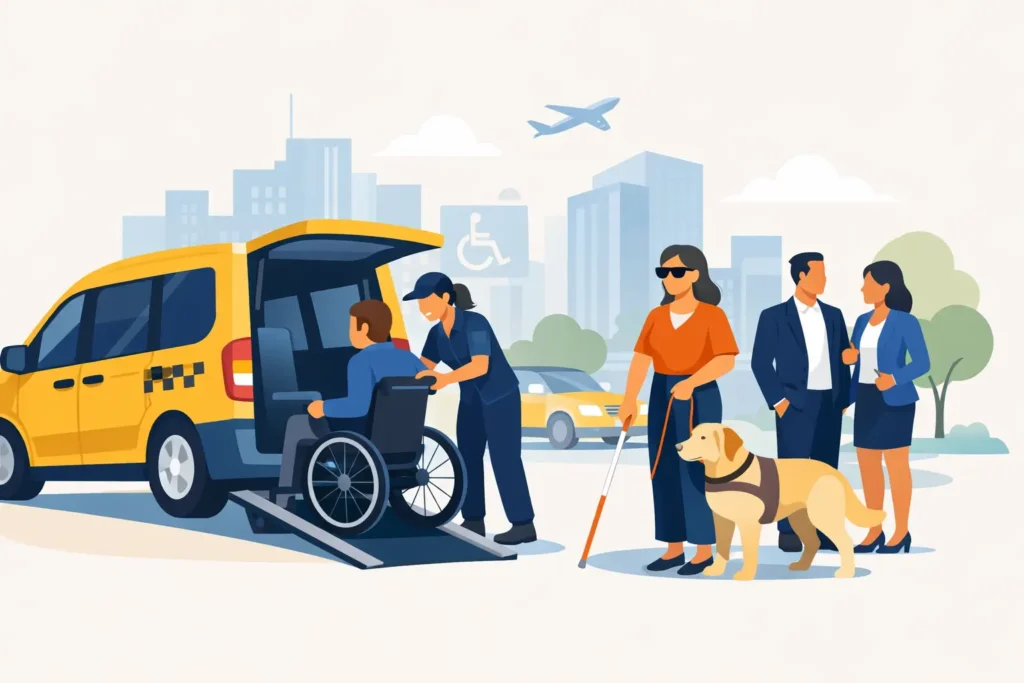
A missed appointment, an inaccessible vehicle, or a driver who is not prepared to assist can turn a simple trip into a stressful day. An accessible taxi service success story is not defined by one ride that went well. It is built through dependable transportation that allows wheelchair users, seniors, families, and medical riders to make plans with confidence.
For a local transportation provider, accessibility is a daily service standard. It means treating a passenger’s mobility needs with the same urgency as an airport departure, an early shift, or a late-night ride home. In Gravenhurst and across Muskoka, that reliability can make the difference between staying home and staying connected to work, care, family, and community life.
Success begins before the vehicle arrives. The booking process needs to give passengers a clear way to request wheelchair-accessible transportation, share pickup details, and schedule a ride for a specific time. A customer should not have to repeat their needs several times or wonder whether the right vehicle will be sent.
The next measure is arrival. A wheelchair-accessible taxi must show up on time, with enough room for the passenger and any essential mobility equipment. For pre-booked medical rides, airport trips, or family events, timing is not a small detail. It is part of the service itself.
Then there is the experience at the curb. Professionally trained drivers understand that safe assistance should be offered respectfully and without assumptions. Some passengers may need help with the ramp, securement system, bags, or the route from a building entrance to the vehicle. Others may be fully independent and simply need a vehicle designed for their chair. Good service recognizes the difference.
The strongest outcome is often quiet and practical: a passenger reaches their destination safely, on schedule, and without having to negotiate for the transportation they need. That is what gives a rider the confidence to book again.
Wheelchair-accessible transportation is sometimes described as a niche service. For the people who rely on it, it is basic transportation. It supports routine errands, visits with friends, medical appointments, work commitments, travel connections, and the ability to take part in community events.
That perspective changes how a taxi company operates. Accessibility cannot be an occasional accommodation made only when it is convenient. It requires a suitable vehicle, a maintained ramp or lift system, secure wheelchair positioning, trained drivers, and scheduling practices that account for the time required to board safely.
There are trade-offs to manage. A wheelchair-accessible vehicle may require more loading time than a standard taxi, especially in poor weather or when a passenger is traveling with equipment or companions. Rushing that process is not efficient if it compromises comfort or safety. The right approach is to plan for the ride properly, communicate clearly, and keep the passenger informed.
For riders, this leads to more control. They can book transportation based on their own schedule instead of waiting for a favor from a friend or family member. That independence matters whether the destination is a local clinic, a restaurant, a family gathering, or a connection to the airport.
Accessible transportation depends on details that passengers may not always see. Fleet readiness is one of them. A vehicle must be clean, inspected, and equipped to safely carry a wheelchair. Drivers must know how to operate the accessibility equipment and secure the passenger correctly before the vehicle moves.
Communication is equally important. When a rider calls or books online, accurate information helps dispatch send the appropriate vehicle. Useful details can include whether the passenger will remain in their wheelchair, whether they are traveling with a support person, the pickup entrance, and the preferred pickup time. These questions are not barriers. They help prevent avoidable delays.
Availability also matters. Mobility needs do not follow business hours. Medical appointments can be early, flights can depart before sunrise, and personal plans can run late. A service that is open 24/7 gives customers a practical option when regular transit is unavailable or does not fit their schedule.
Muskoka Taxi was the first wheelchair-accessible taxi service in Gravenhurst, a role that reflects a clear commitment to providing transportation that works for more members of the community. Leadership in accessibility is not only about having the right vehicle. It is about maintaining a service standard customers can count on every time they ride.
On-demand transportation is useful when plans change, but pre-booking is often the best choice for accessible rides with a fixed appointment or departure time. It gives the dispatcher time to reserve the appropriate vehicle and helps the driver prepare for the pickup location and passenger needs.
Pre-booking is especially helpful for medical transportation, airport transfers, weddings, business travel, and events where being late creates added stress. It also gives passengers or caregivers a chance to confirm the details in advance rather than trying to arrange everything at the curb.
That does not mean every ride must be scheduled days ahead. The best choice depends on the trip. A local errand may work well as an on-demand request if a suitable vehicle is available. A flight, appointment, or long-distance transfer deserves a reservation. Clear expectations are better than overpromising immediate availability for a specialized vehicle.
Accessible taxi service affects more than the person in the vehicle. Families and caregivers often coordinate appointments, work schedules, and support needs around transportation. When the ride is dependable, everyone involved has more certainty.
Consider a passenger traveling to a medical appointment with a family member. The trip may require a wheelchair-accessible vehicle, room for a companion, careful pickup from a residence, and a return ride after an uncertain appointment end time. This is not simply a point-to-point trip. It is a service situation that requires patience, communication, and local knowledge.
The same is true for visitors to Muskoka. A traveler may know the destination but not the entrances, distances, weather conditions, or transportation options in the area. A professional local driver can help make the trip feel more manageable while keeping the focus on safe, reliable transportation.
The transportation provider carries the main responsibility for safe service, but a few booking details can make the experience more efficient. When possible, share the pickup address, the exact entrance, the time you need to arrive, and whether you will remain in your wheelchair during the trip. Let the dispatcher know if another passenger, luggage, or medical equipment will be traveling with you.
If plans change, call as soon as possible. Appointment times can shift, and flights can be delayed. Early communication gives the service team a better chance to adjust the schedule and keep the correct vehicle assigned.
Most importantly, choose a provider that treats accessibility as part of its regular operation. You should feel comfortable asking how the vehicle will accommodate your needs, how far ahead to book, and what to expect at pickup. Straight answers are a sign of professional service.
A successful accessible ride does more than complete a trip. It gives people room to keep appointments, accept invitations, travel with family, and make plans without transportation becoming the obstacle. When you need a wheelchair-accessible taxi, booking early for time-sensitive travel and sharing the right details can help put that confidence within reach.