
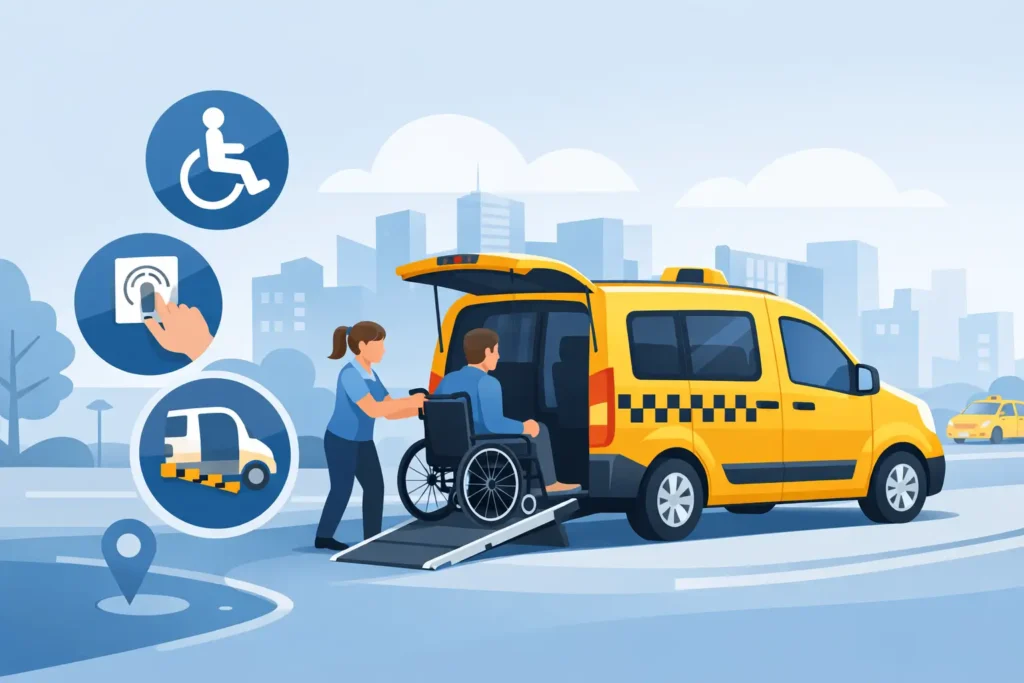
A ride should not become the hardest part of getting to an appointment, visiting family, catching a flight, or attending an important event. The top reasons to choose an accessible taxi come down to practical needs: a vehicle that can accommodate mobility equipment, a driver who understands safe passenger assistance, and dependable service that can be arranged when you need it.
For wheelchair users, seniors, passengers recovering from surgery, and families traveling with a loved one, accessibility is not an extra feature. It is what makes everyday travel possible. A properly equipped accessible taxi gives passengers a more comfortable, dignified way to move through Gravenhurst and the wider Muskoka area without having to depend on a personal vehicle or ask friends and family for every ride.
An accessible taxi is more than a standard vehicle with extra room. It should be equipped to safely accommodate a passenger who remains in a wheelchair during the ride. That generally means a suitable entry system, secure wheelchair tie-downs, appropriate passenger restraints, and enough interior space for a safe, comfortable position.
This matters because a wheelchair should not have to be folded, lifted, or transferred unless the passenger wants or needs that arrangement. For many riders, remaining in their own chair can reduce discomfort, protect their independence, and simplify the entire trip from pickup to drop-off.
Not every mobility need is identical. A passenger using a walker may be comfortable in a standard taxi with assistance getting in and out, while a full-time wheelchair user may require a wheelchair-accessible vehicle. When booking, it helps to explain the type of mobility device, whether a caregiver is traveling too, and any concerns about pickup access. Clear details allow the dispatcher to schedule the right vehicle rather than making assumptions.
Reliable transportation gives people more control over their schedules. An accessible taxi can make it easier to attend medical appointments, run errands, meet friends, visit community programs, or travel to work without waiting for a relative to become available.
Independence does not mean traveling without support. It means having dependable support that respects the passenger’s routine and preferences. Professionally trained drivers can assist within appropriate limits, allow time for safe boarding, and provide a steady, respectful experience rather than rushing a passenger through a pickup.
For families, that reliability can bring real peace of mind. A family member does not have to rearrange an entire workday simply to provide transportation. They can book an accessible ride with confidence and know their loved one has a practical way to get where they need to go.
Medical transportation is one of the most common reasons passengers request an accessible taxi. Regular appointments may involve clinics, therapy sessions, diagnostic visits, pharmacy pickups, or follow-up care. When mobility is limited, getting to those appointments on time can be stressful before the ride has even begun.
An accessible taxi provides a structured option for scheduled medical travel. Pre-booking is especially useful for early appointments, recurring visits, and trips where punctuality matters. It also gives passengers and caregivers the chance to share details in advance, including pickup timing, mobility equipment, and whether a return ride will be needed.
A taxi is not a replacement for emergency medical transportation. If someone needs urgent care, active medical monitoring, or clinical assistance during the trip, the appropriate emergency or specialized medical service should be used. For non-emergency trips, however, an accessible taxi can be a comfortable and dependable solution.
Many passengers feel more comfortable traveling with a spouse, friend, personal support worker, or family member. An accessible taxi makes it possible to keep that support close by instead of separating the passenger from the person assisting them.
This is particularly valuable after a procedure, during a first visit to a new location, or when a passenger has communication, memory, or anxiety-related concerns. A companion can help with check-in, carry personal items, and provide reassurance throughout the trip.
When arranging the ride, mention how many people will be traveling. An accessible vehicle has to accommodate both the wheelchair position and passenger seating, so accurate details help ensure a suitable vehicle is assigned.
Airport transportation can be challenging when luggage, mobility equipment, timing, and unfamiliar travel procedures all come together. Booking an accessible taxi ahead of time gives travelers one less issue to manage. The vehicle can be scheduled around the flight time, and the driver can arrive prepared for the passenger’s mobility requirements.
The same benefit applies to city transfers, family gatherings, and longer trips across the Muskoka region. A personal vehicle may not be available, and public transportation may not match the route or schedule. An accessible taxi offers direct transportation with door-to-door convenience.
For longer rides, confirm the destination, planned pickup time, number of travelers, luggage, and return arrangements when you book. This is not unnecessary formality. It is how a transportation provider can plan properly and deliver the highest level of service and comfort without compromise.
Weddings, birthdays, corporate functions, dinners, and seasonal gatherings should be accessible to everyone invited. Transportation is often the overlooked part of event planning, especially when a guest uses a wheelchair or cannot comfortably transfer into a standard vehicle.
An accessible taxi allows guests to arrive and leave with greater confidence. It can also reduce concerns about parking, dark walkways, weather, or relying on someone at the event to drive them home. For hosts, arranging transportation in advance is a thoughtful way to make participation easier for guests with mobility needs.
Event trips often require more coordination than a quick local ride. Pickup windows, multiple stops, and late return times should be discussed in advance. Muskoka Taxi operates 24/7, which is valuable when an event does not end on a predictable schedule, but advance booking remains the best choice for important occasions.
A smooth ride begins with a clear booking request. Let the dispatcher know whether the passenger will remain in a wheelchair, the kind of chair or mobility device being used, and whether anyone will travel alongside them. Also share the pickup and destination addresses, preferred time, number of passengers, luggage needs, and any relevant access details such as a side entrance or apartment lobby.
You do not need to provide personal medical information to book transportation. The goal is simply to communicate the practical details that affect vehicle selection and pickup planning. If you are unsure whether an accessible taxi is required, describe the passenger’s mobility needs and ask for guidance.
Pre-booking is usually the strongest option for appointments, airport departures, events, and recurring rides. On-demand service may work well for a same-day local trip, depending on vehicle availability. For time-sensitive transportation, reserving ahead gives everyone more certainty.
The best accessible transportation experience is built on more than ramps and restraints. It includes patience, clear communication, a clean and well-maintained vehicle, and a driver who recognizes that every passenger deserves to travel comfortably and respectfully.
Accessible service should never make a rider feel like an inconvenience. Whether the trip is a short ride across town or an early morning airport transfer, the expectation should be the same: safe transportation, professional service, and a driver who is prepared for the trip.
When your next plan depends on mobility you can count on, arrange the ride early and share what you need. The right accessible taxi can turn a difficult transportation question into a straightforward part of the day.